

How to Prepare Your Martha’s Vineyard Home for Vacation Rental Compliance in 2026 (Town-by-Town Checklist)
If you're renting out your Martha's Vineyard home (or even just flirting with the idea), 2026 is basically the year of “cool, now prove you’re doing this right.” Rules are more specific, enforcement is real, and what flies in Edgartown might get you side-eyed in West Tisbury.
The good news: once you know your town’s playbook (Edgartown, West Tisbury, Tisbury, Chilmark, Aquinnah, Oak Bluffs), compliance gets a lot less scary and a lot more checklist-y. Let’s keep it simple.
Why This Matters More Than Ever
Every Vineyard town is tightening up short-term rental rules to balance tourism with year-round community life. Translation: more oversight, more forms, and fewer “we didn’t know” excuses.
Miss a deadline, skip insurance, or ignore an inspection, and it’s not a slap on the wrist anymore. Think fines, permit issues, or messy liability if something goes wrong. Also, Airbnb/VRBO are getting better at nudging (or forcing) compliance—so the old “quietly list it and hope” strategy is… not a strategy.

State-Level Requirements (Everyone Needs These)
Before we get into the town-specific stuff, let's cover what Massachusetts requires from every vacation rental operator on the Island. If you're renting your property for 31 days or less, these apply to you:
Registration with the State
You need to register with the Massachusetts Department of Revenue as a short-term rental operator. Not optional. Not “we’ll get to it.” Just… do it. This ties your rental to the state’s tax system and keeps you on the right side of the rules.
$1 Million Liability Insurance
This is the sneaky one. You must carry at least $1 million in liability insurance that specifically covers short-term rentals. Your regular homeowners policy often doesn’t. You’ll need a host protection policy or commercial coverage that clearly includes vacation rental activity.
Ask your agent in plain English: “Am I covered for short-term rental guests?” Get the answer in writing. Policies love exclusions.
Tax Collection and Remittance
If you rent more than 14 days per calendar year, you need to collect and remit occupancy taxes (state + local). If you rent 14 days or fewer, you’re generally exempt from tax collection—but you still need the state registration and the insurance.
Safety Standards
Massachusetts has real, checkable requirements for short-term rentals:
Smoke and carbon monoxide detectors that meet current code
GFCI outlets in kitchens, baths, and other wet areas
Emergency instructions posted for guests (evac routes, emergency contacts, extinguisher location)
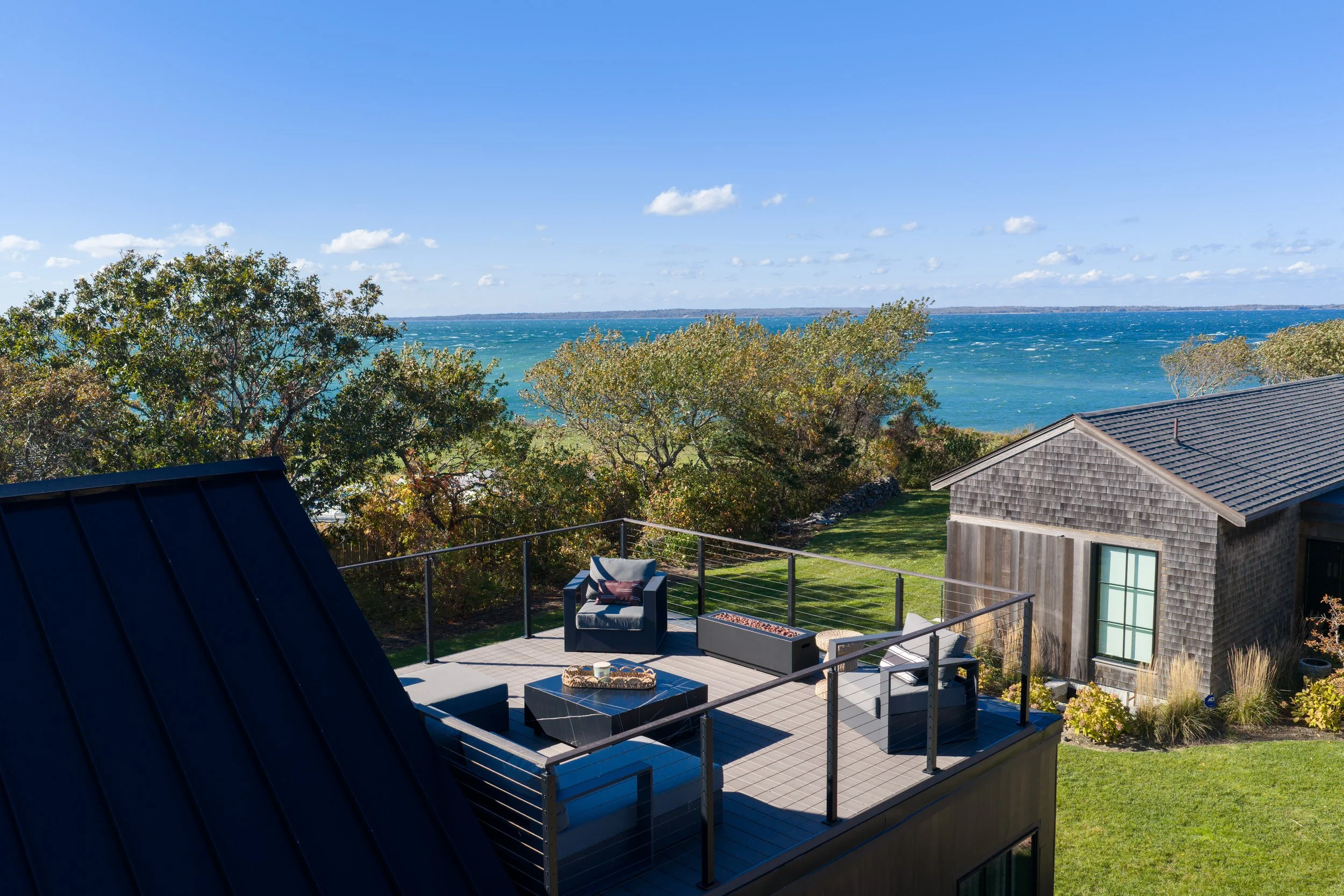
These aren’t “nice to haves.” Inspectors can (and do) verify compliance during required inspections, which have been a statewide expectation since mid-2024.
Town-by-Town Breakdown
Here's where it gets interesting. Each Martha's Vineyard town has its own additional rules on top of the state requirements. Let's go through what you need to know for each one.
Edgartown
Edgartown has one of the most established STR setups on the Island. It’s relatively straightforward—as long as you follow the steps and don’t try to “skip ahead.”
What you’ll typically need:
Building inspection + certificate of compliance
Town registration
Proof you meet health/safety standards
Edgartown’s process is fairly streamlined, but the inspection isn’t optional. No inspection = no legal renting. Simple.
West Tisbury
West Tisbury is where the rules show up with a clipboard and a serious face. The goal: protect the town’s rural character and limit the impacts of short-term stays.
Common tripwires to plan around:
Two-night minimum stay (no one-night bookings)
One property per owner (no mini-portfolio here)
Owner occupancy requirement (you generally need to live there at least 30 days/year)
That last one matters. If you never use your West Tisbury home, your rental plan may not match what the town allows.
Tisbury (Vineyard Haven)
Tisbury is all about the annual night count.
The headline rule:75 rental nights max per calendar year
So yes—if you hit 75 nights by August, you’re done until January. This changes pricing and booking strategy fast, and it’s exactly why tracking nights isn’t “nice,” it’s required.

Chilmark
Chilmark’s approach has been moving toward a cap system as well.
Often discussed/updated: around a 95-night annual cap
Because Chilmark is active on policy updates, confirm the current status before you build your season around it. This is one of those towns where “last year’s info” can age like milk.
Aquinnah
Aquinnah has historically been the most relaxed town on the Island about short-term rentals—but don’t get too comfortable. They haven’t leaned into strict nightly caps or residency rules like West Tisbury, but as of early 2026, they’re part of the new “seasonal communities designation.” Translation: more funding (and attention) for enforcement is headed their way.
For now, nail the basics: state registration + proper insurance. And keep one eye on town meeting notes—things can change fast in the Up-Island fog.
Oak Bluffs
Oak Bluffs has been refining its STR framework, so it’s the town where you want to verify the details before you publish a listing and start taking bookings.
What typically applies:
Permits/registration (details can vary by property/location)
Occupancy limits
Health + building inspections
Expect updates. And if you don’t want to spend your spring chasing changing requirements—this is where Latitude can save you a lot of time (and headaches).
Your Compliance Checklist
Here’s the no-drama action plan for 2026:
Step 1: Confirm your town rules (for your address)
Start with the planning office/building department. Edgartown, West Tisbury, Tisbury, Chilmark, and Oak Bluffs each have their own “yes, but…” details.
Step 2: Make sure your rental plan is actually allowed
Night caps and minimum stays change everything. If you’re in Tisbury, that 75-night limit will sneak up fast. If you’re in West Tisbury, your calendar needs to respect the minimum stay and occupancy requirements.
Step 3: Lock in the right insurance
Ask for STR-specific coverage and confirm you have $1M+ liability. Don’t guess. Don’t assume. Insurance companies love fine print.
Step 4: Register with the state
Massachusetts DOR registration keeps you legit and helps you stay in compliance.
Step 5: Handle town permits/registrations
This is where the maze begins: different forms, timelines, and requirements depending on the town. Start early if you want summer bookings.
Step 6: Pass the safety sniff test
Smoke/CO detectors up to code, GFCIs where required, and clear emergency info for guests.
Step 7: Get inspections scheduled
Inspections are a real part of the process now. Build the timeline into your launch plan.
Step 8: Set up taxes so they don’t surprise you later
Occupancy taxes (state + local) need to be collected/remitted properly by the agency handling your bookings. Some online booking platforms help, but the responsibility still falls with the owner.

Don't Do It Alone
Town-by-town compliance on Martha’s Vineyard is doable… but it’s also the kind of doable that eats your weekends.
Latitude helps homeowners navigate this maze—Edgartown, West Tisbury, Tisbury, Chilmark, Aquinnah, Oak Bluffs—by staying on top of local requirements, lining up inspections, and keeping your rental “ready to rent” as rules shift. We work with rental agencies and help prepare your home for the rental market, so you don't have to become a part-time permits-and-paperwork specialist.
If you want a compliant setup without the constant second-guessing, let’s talk. You keep the Island home. We’ll keep the rulebook.
Regulations continue to evolve across Martha's Vineyard. This guide reflects requirements as of February 2026, but always confirm current rules with your town before listing your property.